When buyers compare Microfiber Polyester Nylon Cloth, the decision is rarely just about softness or appearance. For cleaning products, automotive interiors, reusable wipes, protective covers, and other textile applications, the fabric needs to match the way it will actually be used. As a manufacturer, we usually start with the working environment, cleaning method, surface requirements, and expected service life before discussing fabric construction.
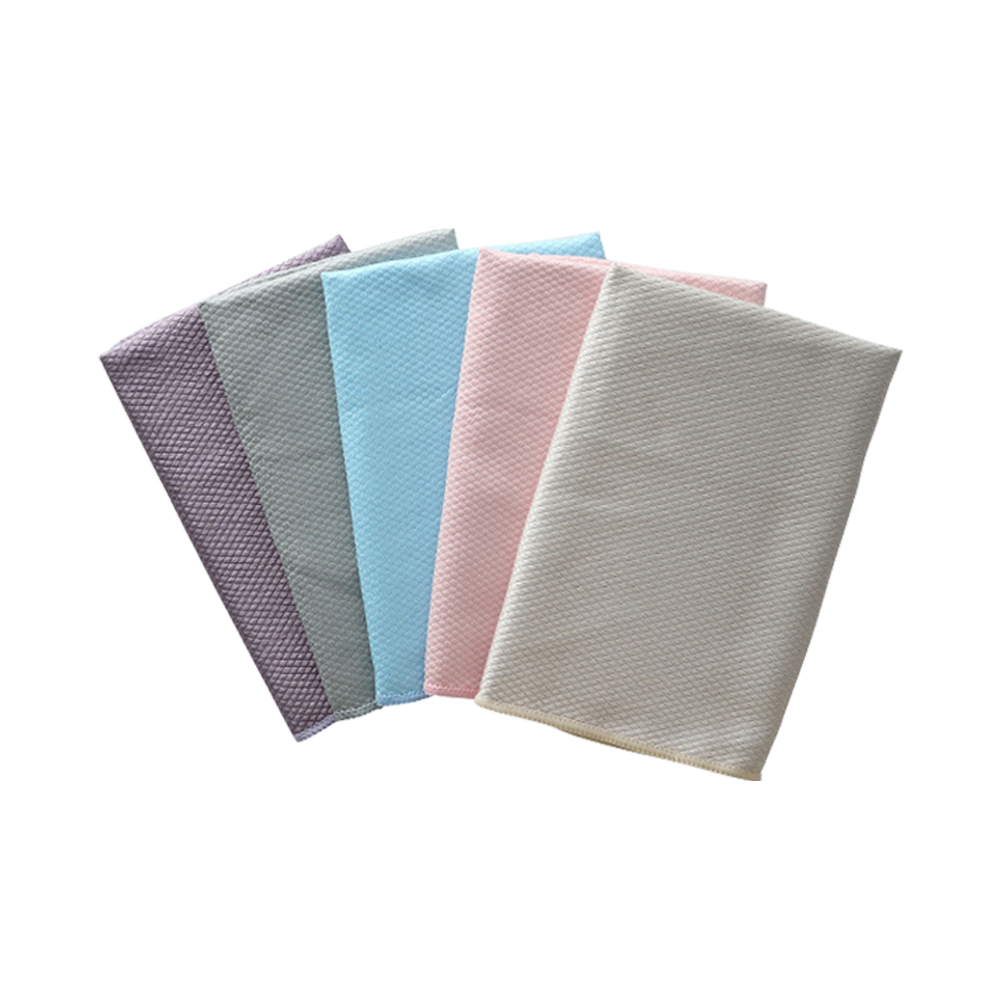
A microfiber cloth designed for glass does not necessarily need the same structure as one used for workshop equipment. Fine fibers can help create more contact points with a surface, while the combination of polyester and polyamide can influence absorbency, softness, and handling.
For buyers developing cleaning products, the step is therefore to define the target application. Glass, screens, vehicle interiors, kitchen surfaces, and industrial equipment may each require a different balance between absorbency, strength, and surface feel.
Polyester is commonly selected when dimensional stability, durability, and consistent fabric performance are important. Nylon, also known as polyamide, can contribute to moisture handling and a softer hand feel.
The blend can then be adjusted according to the intended product rather than treated as a one-material solution. From a manufacturing perspective, this matters because a fabric that feels good during sampling may behave differently after repeated washing or intensive use.
Fiber composition is only part of the equation. Knitting, weaving, surface treatment, and finishing can all change how a cloth handles dust, liquid, oil, or delicate surfaces.
For example, a cleaning cloth intended for automotive detailing may need a different surface structure from a general household wiping cloth. Buyers should therefore evaluate fabric construction together with fiber content instead of selecting material only from a specification sheet.
Sustainability discussions are increasingly moving from broad claims toward questions about product life, recycling, and material traceability. Recent European textile policy developments are also putting greater attention on textile waste and circularity.
For reusable microfiber products, buyers can consider:
This makes material selection part of the product planning process, not simply a purchasing detail.
A small fabric sample can show color, thickness, softness, and basic appearance, but it cannot fully represent production performance. We recommend testing the cloth under the same conditions as the finished product, including wiping pressure, moisture level, washing method, and contact surface.
This approach can reveal issues such as excessive lint, poor edge stability, insufficient absorbency, or a surface that is unsuitable for sensitive materials before bulk production begins.
Different buyers may require different weights, constructions, colors, finishes, widths, or packaging formats. For private-label cleaning products and industrial textile programs, customized polyester nylon microfiber fabric can provide more control over the finished product.
As a manufacturer, we work from the application backward: understanding what the fabric needs to do, then adjusting the material and construction around that requirement. This helps buyers avoid paying for properties they do not need while addressing the performance issues that matter in actual use.
The right Microfiber Polyester Nylon Cloth is not simply the softest or thickest option. It should provide a suitable balance of handling, durability, moisture management, surface protection, and production consistency for its intended application.
For overseas buyers developing reusable wipes, cleaning textiles, automotive cloths, or other performance products, discussing the actual use conditions with a manufacturer can make material selection more straightforward and reduce avoidable trial-and-error during production.
Selling Units: Single item Single package size: 18X12.5X4... Select options
producer jinhua,zhejiang,china production cycle Within ... Select options
Production Lint Sticking Roller Use multifunctional Sty... Select options
Material PP Color Customized Color Feature Sustainable ... Select options


 English
 Español
 русский