For professional cleaning suppliers and industrial users, choosing a Microfiber Polyester Nylon Cloth is not simply a matter of selecting a soft fabric. Cleaning efficiency, water absorption, lint control, surface compatibility, and repeated-wash performance all influence whether a cloth performs reliably in real working conditions. As demand for reusable cleaning products continues to develop, manufacturers and buyers are paying closer attention to material composition, fabric construction, and application-specific design rather than relying on appearance alone.
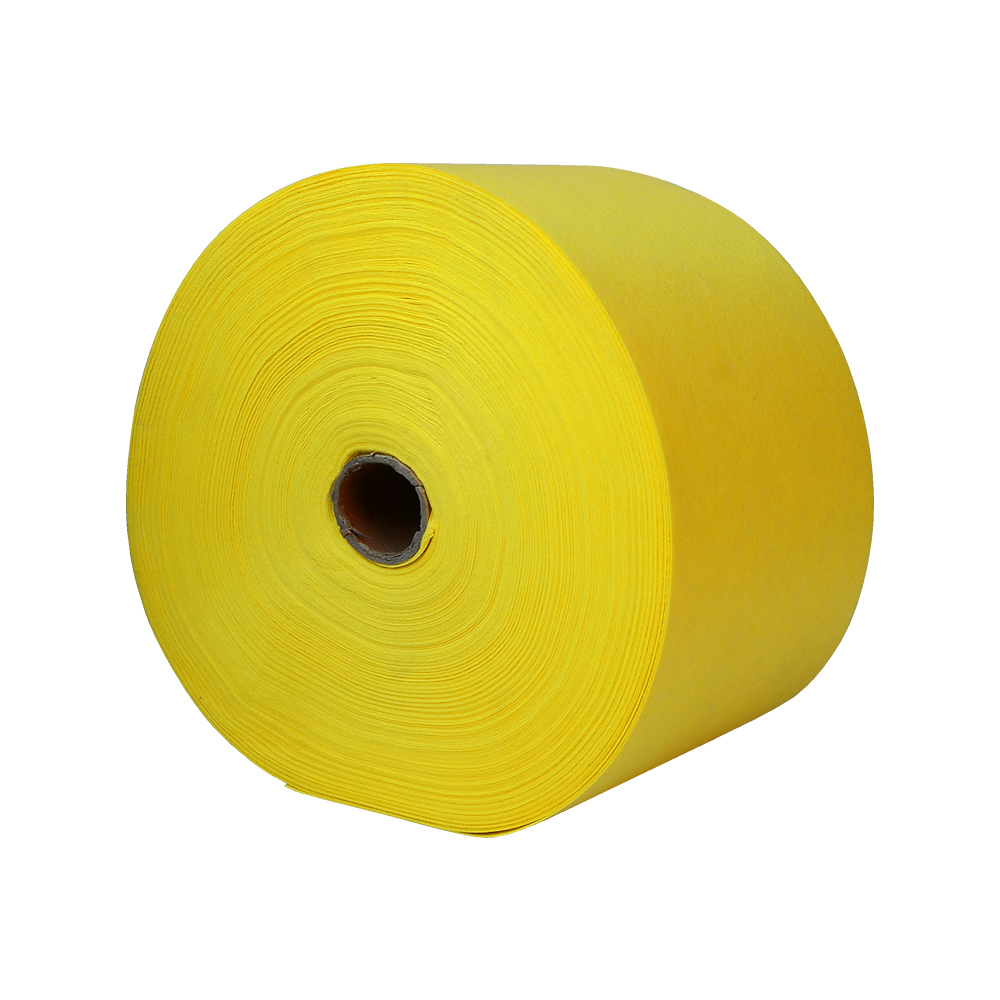
Polyester and nylon play different roles within microfiber fabric. Polyester contributes structural stability, abrasion resistance, and cleaning strength, while nylon, also referred to as polyamide, contributes softness, absorbency, and the ability to capture moisture and fine particles. The balance between these fibers can therefore change the handling characteristics of the finished cloth. A specification suitable for automotive detailing may not be the right choice for glass, electronics, or general facility cleaning.
Fabric weight is another practical specification for B2B buyers. GSM, or grams per square meter, affects thickness, handling, absorbency, and drying behavior. A lighter microfiber cloth can be convenient for quick wiping and glass applications, while a heavier construction may provide more material for demanding cleaning tasks. Rather than selecting GSM based on a single standard, manufacturers should match fabric weight with the surface, cleaning method, and expected frequency of use.
A cloth can feel soft while still producing unsatisfactory results. Loose fibers, unsuitable fabric structures, or poor finishing can leave residue on glass, screens, painted surfaces, and polished materials. For this reason, manufacturers need to evaluate the complete fabric construction, including yarn quality, knitting or weaving structure, edge treatment, and finishing. These details are especially relevant for buyers searching for a lint-free microfiber cloth for professional applications.
For commercial users, the cleaning process does not end after the use. Repeated washing can affect dimensions, surface texture, absorbency, and fiber integrity. A properly developed reusable cleaning cloth should therefore be evaluated under the intended washing conditions before entering regular supply. Buyers can also benefit from receiving clear care recommendations covering washing temperature, detergent selection, drying methods, and separation from heavily contaminated textiles.
One cloth does not necessarily need to serve every cleaning task. Different surfaces require different levels of softness, friction, absorbency, and fabric density. Manufacturers can develop variations for:
This application-based approach gives distributors more useful product options without relying solely on cosmetic differences.
Consistent microfiber production depends on controlling the material and manufacturing process from the beginning. A manufacturer should monitor fiber composition, fabric weight, dimensions, surface condition, stitching or edge finishing, color consistency, and packaging specifications. For export-oriented orders, documentation and market-specific compliance requirements should also be considered early. This is increasingly relevant as international buyers place more attention on chemical management and textile-related regulations.
For buyers evaluating a Microfiber Polyester Nylon Cloth supplier, a clear technical specification can prevent many quality problems before mass production. Instead of requesting only size, color, and quantity, buyers can define the intended application, fiber composition, GSM range, fabric construction, edge style, packaging format, washing requirements, and applicable compliance documentation. As a manufacturer, we recommend validating these parameters through samples and application testing before confirming a large production program. This approach helps create a reusable microfiber cleaning cloth that fits the actual working environment while giving overseas distributors and commercial users a more consistent Microfiber Polyester Nylon Cloth supply.
Selling Units: Single item Single package size: 18X12.5X4... Select options
producer jinhua,zhejiang,china production cycle Within ... Select options
Production Lint Sticking Roller Use multifunctional Sty... Select options
Material PP Color Customized Color Feature Sustainable ... Select options


 English
 Español
 русский